ARTICLES

Legal Insights That Matter

Explore carefully curated articles covering law, technology, careers, human rights and practical legal knowledge for students and young professionals across Africa.

Constitutional Law

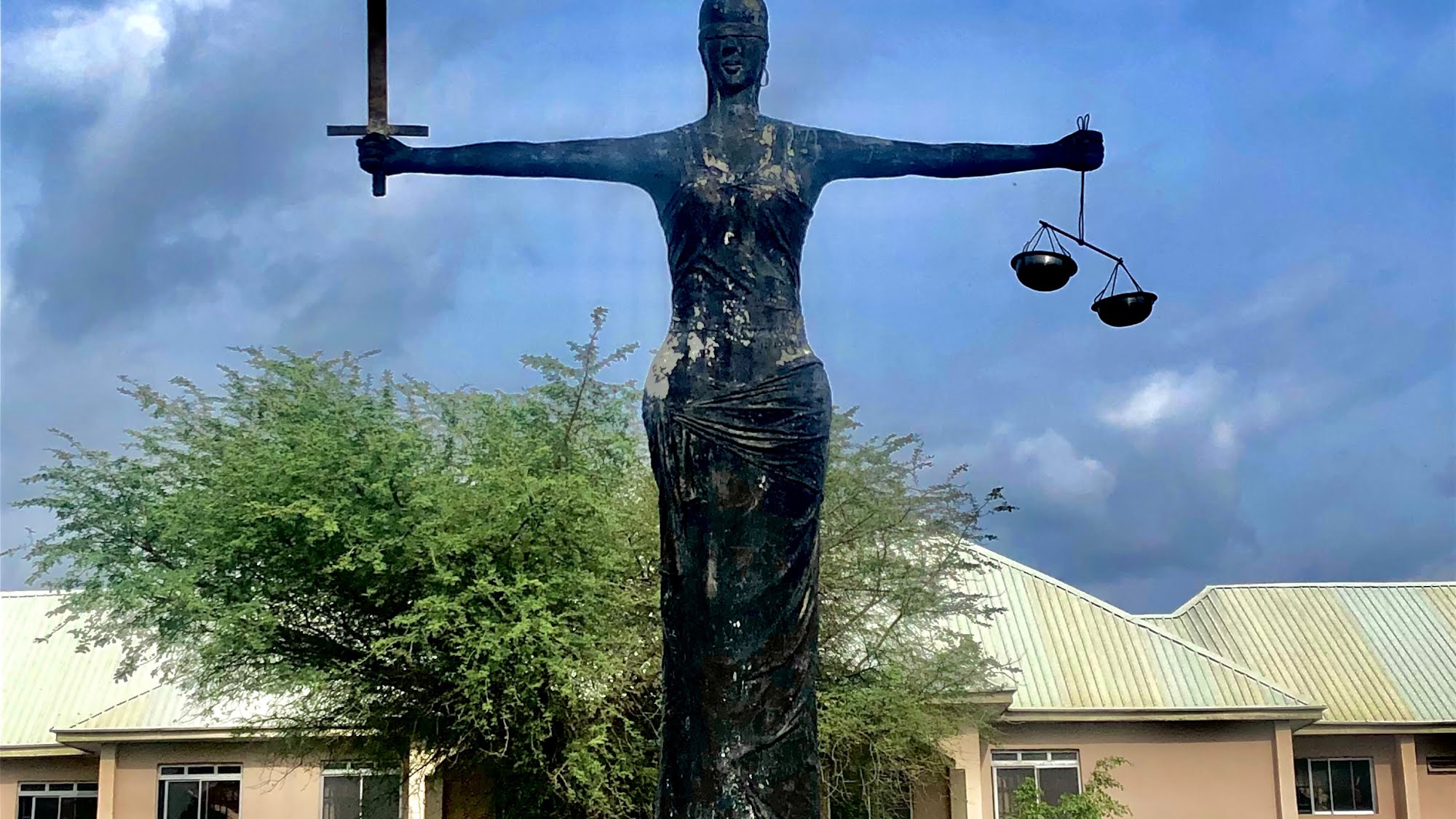
THE ESSENCE OF DIGITALISATION IN THE JUDICIARY

BY : ANTHONY MICHELLE . IMO STATE UNIVERSITY. Introduction: The judiciary is the backbone of every democratic society. It safeguards rights, resolves disputes, and maintains the rule of law. However, the Nigerian...

By Anthony Michelle8 Dec 20254 min read
Read Article

LATEST ARTICLES

New thinking for modern legal minds

Fresh editorial pieces selected for students, researchers and early-career professionals building depth across legal fields.

Data Privacy/ Technology Law

EMPOWERING NIGERIANS: HOW THE NDPA 2023 STRENGTHENS DATA SUBJECT RIGHTS

The article explains how Nigeria’s Data Protection Act 2023 (NDPA) gives individuals legal control over their personal data. It outlines key data subject rights: to be informed, access data, request correction or deletion (“right to be forgotten”), data portability, object to certain processing like direct marketing, and safeguards against harmful automated decisions. These rights are overseen by the Nigeria Data Protection Commission (NDPC), which can receive complaints and enforce remedies. The article also notes that courts have recognised personal information as part of the constitutional right to privacy. For organisations, compliance requires more than a privacy policy, they must have proper procedures, transparent notices, records, and safeguards. Overall, the NDPA strengthens Nigerians’ digital privacy and empowers them to protect their personal information.

18 Sept 20263 min read

By Hope Oluwafemi

Technology Law

CONTENT MODERATIONAND FREEDOM OF EXPRESSION IN NIGERIA’S DIGITAL SPACE

This article explores the tension between digital free expression and government regulation in Nigeria, focusing heavily on the flaws of Section 24 of the Cybercrimes (Prohibition, Prevention, etc.) Act 2015. While online platforms have amplified civic engagement and political accountability, the government uses overly broad and vague criminal provisions punishing speech deemed "annoying" or "grossly offensive" to selectively target critics and journalists, violating rule-of-law principles. Although maintaining national security and public order is a legitimate constitutional objective, these broad criminal sanctions fail international and regional legal standards of necessity and proportionality, as established by Nigerian courts and the ECOWAS Court. To resolve this, the author advocates for comprehensive legal reforms, including redrafting the Cybercrimes Act with precise definitions, creating an independent oversight tribunal, and enforcing law enforcement transparency to protect both public safety and a vibrant digital democracy.

16 Sept 20264 min read

By Zion Yargata Kigun

Family Law

Is a 'Court Wedding' Really Necessary? Common Misconceptions about Marriage Under Nigerian Law

Many Nigerians assume a church wedding is automatically a legal marriage, and that customary marriages need a follow-up court wedding to be valid. Both are misconceptions. Nigerian law recognizes three marriage types: statutory, customary, and Islamic. A church wedding only counts as statutory if it follows proper registry procedure; otherwise it's just a religious blessing with no legal effect. Customary and statutory marriages can be validly combined, but only in that order, customary first. Knowing which marriage you've contracted matters, since each type carries different legal consequences.

14 Sept 20266 min read

By ODEBAMIKE MARY OLUWABUNMI

Criminal Law & Procedure

𝗘𝗙𝗖𝗖 𝗩. 𝗕𝗢𝗕𝗥𝗜𝗦𝗞𝗬 : 𝗔 𝗧𝗨𝗦𝗦𝗟𝗘 𝗕𝗘𝗪𝗧𝗘𝗘𝗡 𝗟𝗔𝗪 𝗔𝗡𝗗 𝗖𝗘𝗟𝗘𝗕𝗥𝗜𝗧𝗬

𝗘𝗙𝗖𝗖 𝗩. 𝗕𝗢𝗕𝗥𝗜𝗦𝗞𝗬 : 𝗔 𝗧𝗨𝗦𝗦𝗟𝗘 𝗕𝗘𝗪𝗧𝗘𝗘𝗡 𝗟𝗔𝗪 𝗔𝗡𝗗 𝗖𝗘𝗟𝗘𝗕𝗥𝗜𝗧𝗬 Akilu Sa'adu Ahmadu Bello University, Zaria I must confess that for the past three days (3 days) what iI have been...

7 May 20244 min read

By Akilu Sa'Adu